Recommend by buyer type
Homeowners, serious DIYers, hobby mechanics, and small-garage users do not need the same answer. The right product depends on who is buying it and why.

Garage Bench Co.
Serious DIY garage workshop guidance
Methodology
Use this page to see what gets weighed before Garage Bench Co. recommends a platform, kit, storage system, or workflow upgrade. The goal is simple: help you buy gear that fits your garage and skip gear that only looks impressive on paper.
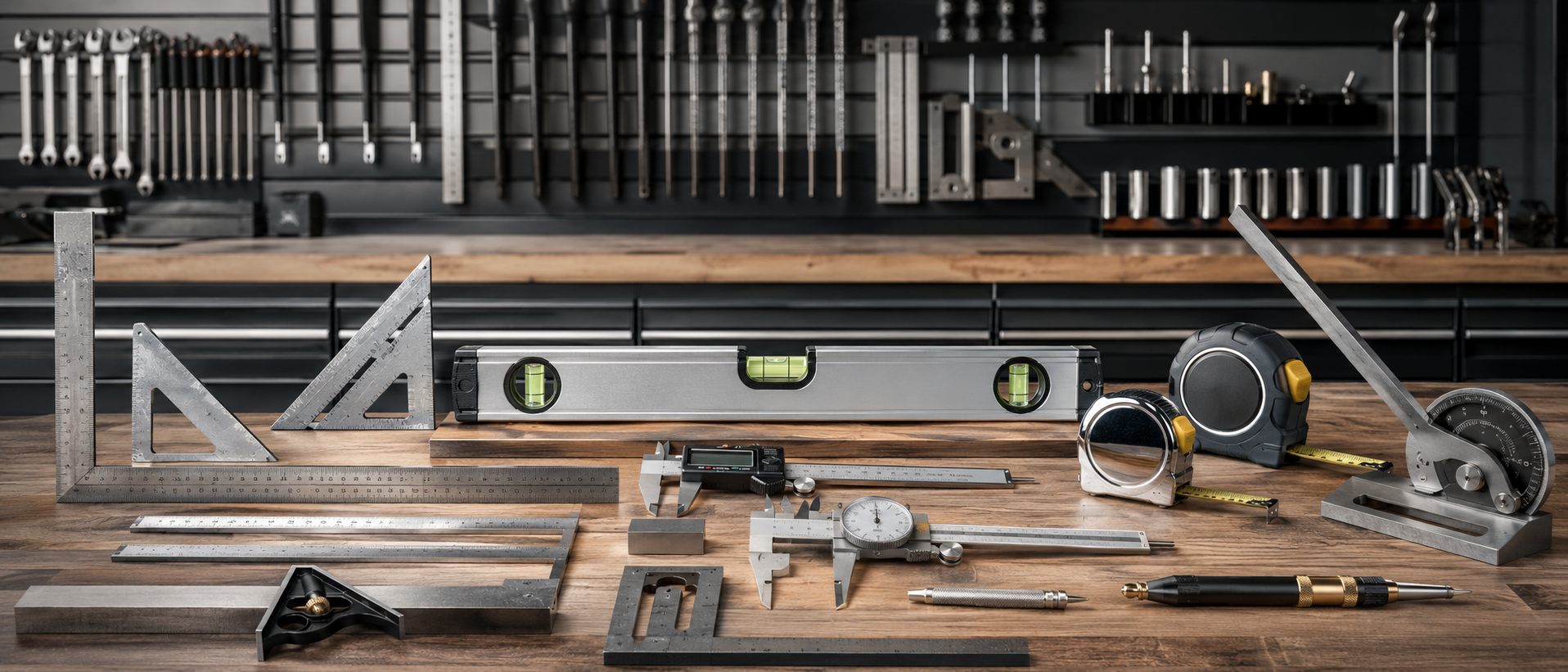
Method before recommendations
This is the lens behind the guides: fit for your jobs, fit for your space, fit for your budget, and fit for how you actually use the garage.
The standard
Every guide should help you make a smarter garage-workshop decision faster, with less confusion, less wasted searching, and less overspending.
Homeowners, serious DIYers, hobby mechanics, and small-garage users do not need the same answer. The right product depends on who is buying it and why.
A tool, compressor, bench, or storage pick has to make sense inside a larger garage setup, not just on its own product page.
Battery cost, charger quality, availability, footprint, noise, clutter, and upgrade path matter just as much as raw performance for most readers.
You should understand the tradeoffs before you ever need to open a product listing. The point is to save you time, not dump more research work on you.
What gets evaluated
Does this actually match the projects, garage size, workload, and buyer type the page is written for?
Does the platform or category scale well once the reader adds more tools, batteries, accessories, or workflow pieces later?
Is the product priced like a smart buy, or is it often overpriced relative to better alternatives or cleaner upgrade paths?
Brushless versus brushed, battery pack quality, charger quality, storage footprint, durability, and the features that materially change ownership.
Recurring problems matter. If a product keeps drawing the same complaints, that should change how confidently it gets recommended.
Readers should see when a cheaper option is enough, when a premium step-up is worth it, and when a bigger purchase is mostly theater.
Research inputs
What this site does not claim
If a page is based on research, comparison, and buyer-fit analysis, it should read that way. You should not be sold a fake story about exhaustive lab testing if that is not what happened.
You should not get pushed toward a worse fit just because it pays more. If a cheaper or less flashy option is the smarter buy, that should be clear in the guide.
Related pages
Use these pages for the editorial rules and affiliate explanation that sit behind the product guides.