First system choice
Best Cordless Tool Platform for Homeowners
Start here if you want one battery platform that can cover home ownership, garage work, and your next few upgrades.
Read guide
Garage Bench Co.
Serious DIY garage workshop guidance
Blog directory
The blog is organized around the actual questions people ask while building out a garage workshop, choosing a cordless system, comparing tool categories, and figuring out what to buy next. Start by category below, or jump straight into the decision lane that matches what you are trying to solve.
Browse by real garage goals
Move from cordless platforms to storage, mechanic workflow, lighting and power upgrades, cleanup, and phased buying plans without losing the bigger picture of how your garage needs to work together.
Start here
If you are not sure where to begin, start with the route that sounds closest to the question you are trying to answer right now.
First system choice
Start here if you want one battery platform that can cover home ownership, garage work, and your next few upgrades.
Read guideGarage setup hub
Start here if you need the full planning framework before choosing layouts, budgets, zones, or phased tool buys.
Read guideStorage decision
Start here if you are comparing Packout, ToughSystem 2.0, StackTech, and smarter garage-organization layouts.
Read guideBrand decision
Start here if you are deciding whether a sensible value platform is enough or a premium step-up is worth it.
Read guideSpecific tool choice
Start here if you need to know which core cordless tool actually fits your next projects.
Read guideLighting and power
Start here if the garage feels dim, cord-heavy, charger-cluttered, or underpowered where the real work happens.
Read guideBrowse by category
That makes it much easier to find the topic you actually care about instead of scrolling through unrelated articles.
10 guides
Start here for cordless system choices, starter kits, voltage decisions, platform expansion, and battery-planning questions.
Browse this category
3 guides
Compare premium and value ecosystems without getting stuck in color-war nonsense.
Browse this category
11 guides
Find the full setup cluster, from the main hub to layouts, budgets, work zones, power, lighting, and workflow.
Browse this category
10 guides
Start here for garage lighting layout, work lights, extension cords, charging stations, power strips, and outlet planning.
Browse this category
10 guides
Learn which core tool, combo, or specialty add-on actually makes sense before buying the wrong first or second tool.
Browse this category
10 guides
Use this lane for miter saws, table saws, track saws, circular saws, drill presses, and the footprint decisions around them.
Browse this category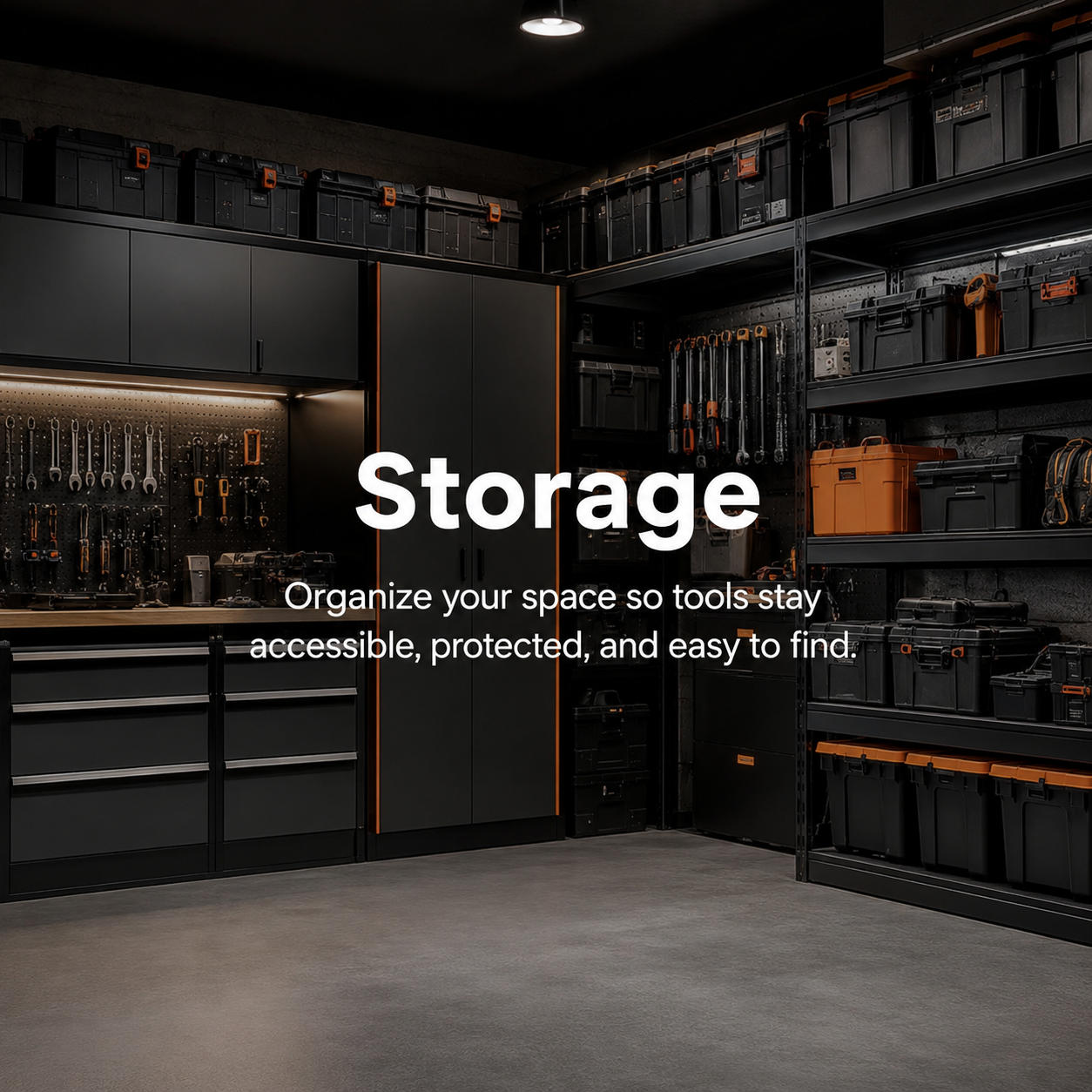
26 guides
Start here for modular storage systems, workbenches, tool chests, charging zones, and the garage-organization decisions that affect the whole workflow.
Browse this category
12 guides
Control wet-dry cleanup, cyclone separation, extractors, dust collectors, filters, and sawdust before the garage starts fighting back.
Browse this category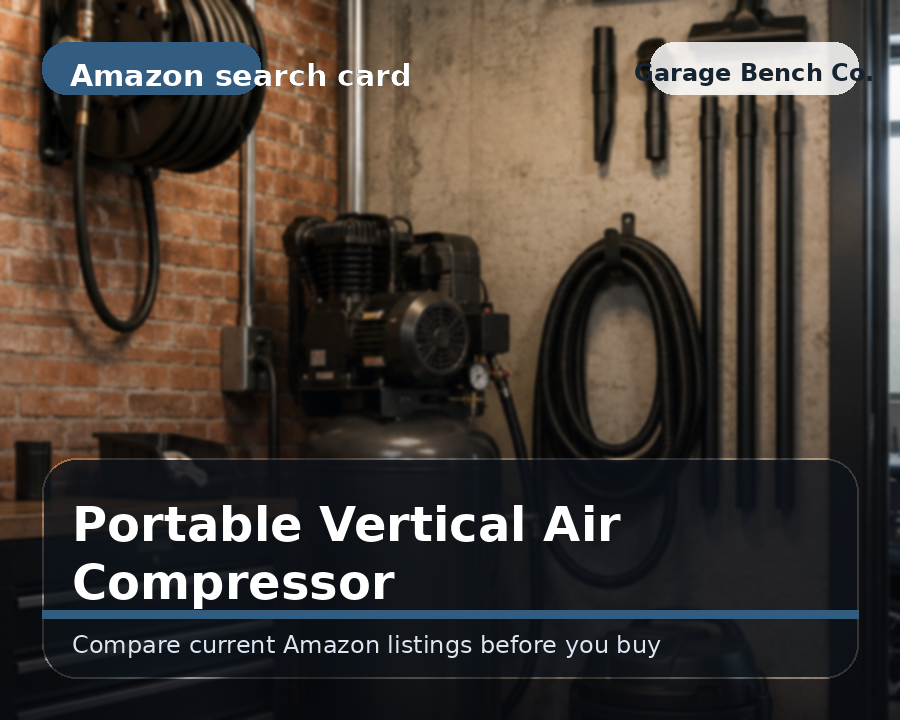
10 guides
Match airflow, hose routing, compressor size, and cordless-vs-air decisions to the jobs you actually do.
Browse this categoryPlatforms and batteries
These guides help you map the right cordless lane, the right starter buy, and the right battery setup for the kind of garage work you actually do.
Cluster hub
The main hub for choosing the right battery ecosystem before kits, comparisons, and battery-buying decisions start stacking up.
Read guideHomeowner platform guide
The best first-system guide for normal home ownership and garage use.
Read guideGarage workshop fit
Use this when the real question is bench tools, vacs, inflators, lights, mechanic crossover, and garage workflow, not just the first drill kit.
Read guideSerious DIY platform guide
Choose this if you expect heavier use, more expansion, and a stronger long-term system.
Read guideStarter kit guide
Choose this if you know the platform matters but still need the right first kit.
Read guideBuying order
A cleaner buying sequence for batteries, core tools, lights, storage, and the first add-ons that usually matter.
Read guideBattery planning
Helps you avoid overspending on extra packs before you understand your real use pattern.
Read guideVoltage choice
Explains when compact tools are enough and when a full-size main system is the smarter move.
Read guideCompact tool lane
Use this if you want the lighter, tighter tools that genuinely make more sense for punch-list and install work.
Read guideExpansion decision
A sanity check for when a compact side-platform or specialty lane is worth the extra batteries and chargers.
Read guideBrand and platform comparisons
These pages stay organized around real fit, not abstract winner-picking.
Premium homeowner comparison
Use this if you are deciding whether one premium platform is actually a smarter fit than the other.
Read guideSerious DIY comparison
A more mature premium-platform decision framed around ecosystem breadth versus refined tool feel.
Read guideValue versus premium
Use this if you are deciding whether the premium upgrade is actually worth paying for.
Read guideGarage planning
This first cluster covers the full setup system: the main hub, layouts, budgets, power, lighting, zones, and workflow.
Garage setup hub
The main hub for planning the garage around work type, zones, bench placement, power, lighting, storage, and cleanup.
Read guidePhased buying plan
A phased buying guide for choosing the first upgrades without wasting money on the wrong gear too early.
Read guideOne-car layout
How to make a one-car garage workshop work without turning the parking lane into a permanent obstacle course.
Read guideTwo-car layout
How to use extra garage width intelligently instead of filling every inch just because the space exists.
Read guideBudget planning
A planning-first guide for stretching a tighter budget without skipping the parts that make the garage usable.
Read guideStarter budget
A realistic starter setup if you need the foundation, not a fantasy shopping cart.
Read guideSerious DIY budget
A stronger serious-DIY setup that still stays disciplined about infrastructure, storage, and expansion.
Read guideHigher-budget setup
A higher-budget setup guide for building a serious garage workshop without losing control of the plan.
Read guidePower and lighting
Plan lighting layers, outlet access, and electrical decisions before cords and shadows start running the shop.
Read guideWork zones
Use zones to keep the garage organized around real workflow instead of scattered tool categories.
Read guideWorkflow system
Tie the bench, storage, charging, and cleanup loop together so the shop resets cleanly after every project.
Read guideLighting, power, and charging
This cluster covers the garage infrastructure layer, overhead lighting, task lights, extension cords, reels, charging zones, bench power, and outlet planning.
Cluster hub
Start here for the full lighting, charging, cord-management, workbench-power, and outlet-planning path.
Read guideLighting guide
Choose fixture styles and layouts that reduce shadows instead of just making the ceiling brighter.
Read guidePortable lighting
Use this when overhead light is not enough and the real problem lives at the bench, wheel well, cabinet, or floor.
Read guideCord selection
Match cord gauge, run length, and garage use so temporary reach does not turn into heat and clutter.
Read guideCord management
Use this when the cord itself is fine but the reset routine and floor clutter are what keep annoying you.
Read guideLighting math
Zoom out and figure out whether the whole garage is underlit or whether the real issue is layout and task lighting.
Read guideWorkbench lighting
Fix the bench-shadow problem by placing light where your hands and body stop blocking the work.
Read guideCharging setup
Organize chargers, batteries, and airflow so the charging wall stops behaving like a hot tangled shelf.
Read guideWorkbench power
Choose mounted bench power that helps chargers and smaller tools without making the bench edge worse.
Read guideOutlet planning
Use this when the real fix is better power access, not just one more extension cord or adapter.
Read guideAccessories, consumables, and supporting gear
This cluster covers the accessory layer, from bits, blades, trays, and socket organization to air fittings, comfort upgrades, PPE, cord sizing, and garage-woodworking clamp crossover.
Cluster hub
Start here for the full accessory path across bits, small-parts control, blades, PPE, comfort, and support gear.
Read guideBit selection
Choose impact-rated bits that match the screws, storage habits, and repeat-use work the garage actually sees.
Read guideSocket organization
Keep sockets visible, separated, and less likely to trigger another duplicate purchase out of frustration.
Read guideActive-project storage
Use trays and holders so clips, bolts, bits, and small hardware stop escaping during live work.
Read guideSaw accessory
Match blade type and tooth count to trim work, rough work, and the general DIY crossover happening in the shop.
Read guideAir accessory
Clean up leaks, adapter chaos, and airflow bottlenecks in the compressor lane.
Read guideHand protection
Pick gloves that protect your hands without making fine work feel irritating.
Read guideNoise control
Choose hearing protection you will actually keep wearing around saws, grinders, vacs, and compressors.
Read guideStanding comfort
Use mats where longer bench sessions start turning into foot and leg fatigue.
Read guideCord sizing
Match gauge and length to common garage tools before a temporary cord becomes the problem itself.
Read guideWoodworking crossover
Build a practical clamp mix for garage fixtures, storage builds, and growing woodworking crossover work.
Read guideSafety, PPE, ergonomics, and garage risk control
This cluster covers the full safety layer, from eye, hearing, and respiratory protection to small-garage workflow, task-specific PPE, mechanic comfort, and risk-control habits that actually survive real projects.
Cluster hub
Start here for the full safety path across eye protection, noise control, respiratory choices, comfort, and safer workflow.
Read guideEye protection
Choose eye protection that is comfortable enough to keep wearing through dusty, messy, and spark-throwing work.
Read guideNoise control
Build a hearing-protection habit that actually survives saws, grinders, compressors, and longer shop sessions.
Read guideRespiratory protection
Match respiratory protection to sanding dust, cleanup debris, finishing work, and the real air-quality problem.
Read guideHome-garage priorities
Prioritize the basics first instead of buying random protection gear with no actual system behind it.
Read guideSmall-garage safety
Fix the clearance, clutter, storage overflow, and routing problems that hit tighter garages harder.
Read guideHazard control
Separate the messier hazards so one sloppy garage routine does not keep absorbing all three.
Read guideTask-specific PPE
Use this when the task itself changes what matters most for eyes, lungs, ears, hands, and surroundings.
Read guideMechanic gloves
Choose gloves that protect your hands without making every clip, socket, and fastener feel worse.
Read guideRepair comfort
Reduce strain during longer repair and detailing sessions without adding dumb clutter to the floor.
Read guideDrills and drivers
These guides cover the hub plus the highest-friction drill, impact, combo-kit, ratchet, and garage-use decisions that shape a real starter setup.
Cluster hub
Use this first if you need to map the right core cordless tool path before comparing drills, impacts, wrenches, or specialty add-ons.
Read guideBest first drill
The grounded guide for choosing a real first drill without buying a heavy flagship tool you will hate using.
Read guideImpact driver guide
Use this when screws, lag fasteners, deck work, and easier driving matter more than having one tool do everything badly.
Read guideHammer drill guide
A cleaner guide for readers who really do need masonry capability and a stronger all-around drill platform.
Read guideCore comparison
The fastest way to decide which of the two deserves your money first.
Read guideUpgrade decision
Explains when the hammer mode matters, when it does not, and when a different masonry tool is the smarter answer.
Read guideCombo kit guide
Use this when buying the right two-tool kit is cheaper and cleaner than fixing a bad first purchase later.
Read guideCompact combo
A better fit for homeowners who care more about size, control, and overhead comfort than max-power bragging rights.
Read guideAutomotive add-on
The practical next step when your garage crosses over into mechanic work and tight fastener access.
Read guideImpact wrench sizing
A reality check on compact, mid-torque, and high-torque sizes for the jobs most home garages actually face.
Read guideStorage and organization
These guides now cover both the modular-storage cluster and the tool-chest and workbench lane, so you can plan walls, drawers, rolling systems, benches, and charging zones together.
Cluster hub
The main hub for planning storage around mobility, drawers, walls, charging zones, and garage workflow.
Read guideBest overall
A practical top-level buying guide for PACKOUT, TOUGHSYSTEM, StackTech, LINK, and where each type actually fits.
Read guideHomeowner fit
Use this when the goal is a cleaner, saner garage setup instead of a flashy stack of expensive boxes.
Read guideSmall-garage guide
A tighter guide for one-car garages, shallow storage, and keeping the center floor usable.
Read guideWall storage guide
The wall-first storage guide for bulky gear, visible tools, and better small-garage access.
Read guideCharging guide
Build a battery-and-charger zone that stays useful instead of turning into cable chaos.
Read guideComparison
The key comparison if you are deciding between the biggest premium modular-storage names.
Read guideWorkflow guide
A practical battery-zone guide for cleaner charging, safer storage, and less platform confusion.
Read guideCluster hub
A complete cluster hub for choosing cabinets, carts, workbenches, shop surfaces, sizing, and garage-fit storage decisions.
Read guideWorkbench guide
A stronger pick when the bench needs to handle heavier tools, vises, and a real project load instead of light hobby duty.
Read guideAssembly surface
Use this when flat support, clamping, and sheet-good handling matter as much as basic bench storage.
Read guideStation decision
A garage-footprint guide for deciding when a permanent station pays off and when a folding stand is smarter.
Read guideSupport-surface choice
Use this when the real decision is whether you need one do-everything bench or a flatter surface for layout and larger builds.
Read guideCleanup and dust control
This cluster covers shop vacs, dust extractors, dust collectors, filters, cyclone setups, air filtration, one-car-garage dust control, and the cleanup routines that keep the shop usable.
Cluster hub
The cleanup hub for shop vacs, dust extractors, filters, cyclone setups, air filtration, and practical garage reset workflow.
Read guideBest overall vac
Start here if you need one wet-dry vac that can handle real garage debris, sawdust, car messes, and normal cleanup.
Read guideDust extractor guide
Use this when tool-connected dust capture, finer filtration, and cleaner sanding or sawing matter more than general debris pickup.
Read guideDust collector guide
A woodworking-focused guide for chip volume, garage fit, and whether a real collector makes more sense than a vac-based setup.
Read guideComparison
The high-level comparison for deciding when a shop vac setup stops being enough for sawdust and chip control.
Read guideWoodworking comparison
Use this when the real choice is tool-connected dust extraction versus a general-purpose vac setup.
Read guideSmall-garage guide
A compact-shop guide for keeping sawdust from taking over the floor, bench, and parked-car space.
Read guideOne-car garage
A layout-first guide for dust control when every square foot has to work twice.
Read guideCyclone setup
Use this to keep filters cleaner and stretch suction performance before a dust-heavy workflow becomes annoying.
Read guideAir filtration
The overhead cleanup layer that helps when fine dust lingers after the cutting stops.
Read guideAir compressors and pneumatic workflow
This cluster covers compressor sizing, quiet-garage tradeoffs, impact-wrench airflow, painting and moisture control, hose reels, air lines, maintenance, and when cordless tools make more sense.
Cluster hub
The main compressor hub for sizing, airflow, air lines, hoses, quiet setups, pneumatic tools, and cordless-vs-air decisions.
Read guideBest overall
Start here if you need the right garage compressor size and style before you buy around tank stickers or hype.
Read guideQuiet garage pick
Use this when attached-garage noise, shared walls, and neighbor-friendliness matter as much as airflow.
Read guideSizing guide
The simplest path for matching CFM, PSI, tank size, and tool demand without overspending.
Read guideImpact wrench sizing
A garage mechanic guide for figuring out whether your compressor can actually keep up with lug-nut and suspension work.
Read guidePainting and grinders
Use this before you buy a compressor for spray guns, sanders, die grinders, or blasting that need real sustained airflow.
Read guideAir line setup
A setup-first guide for hose routing, hard lines, moisture management, and safer compressed-air layout.
Read guideMoisture control
Use this when water in the line is ruining tools, paint prep, or everyday compressor reliability.
Read guideHose and reel guide
A practical guide to hose diameter, flexibility, reels, reach, and the fittings that make air tools less annoying.
Read guideCordless decision
A reality check for when batteries beat compressors, hoses, moisture, and garage noise.
Read guideWoodworking tools and saws
This cluster is for the saw, support-surface, and footprint decisions that matter once projects move beyond basic handyman work.
Cluster hub
The main hub for choosing saws and benchtop tools around garage space, dust, mobility, and project mix.
Read guideMiter saw guide
Use this when trim, framing, repeated crosscuts, and station planning are driving the decision.
Read guideTable saw guide
A garage-fit guide for balancing ripping ability, mobility, footprint, and whether the saw really deserves the floor space.
Read guideTrack saw guide
The better path when sheet goods, smaller spaces, and easier storage matter more than a permanent table saw setup.
Read guideCircular saw guide
A grounded guide for the saw many garages should own before adding bigger machines.
Read guideDrill press guide
Use this when repeatable holes, cleaner accuracy, and benchtop-tool footprint start to matter.
Read guideComparison
A sharper comparison when budget or space forces you to choose one lane first.
Read guideComparison
The footprint-first guide for deciding whether a compact shop really wants a table saw at all.
Read guideSpace decision
A sanity check for garages where a circular saw, track saw, or smarter support setup may do more with less hassle.
Read guideBuying order
Use this when you need the smartest buying sequence, not a fantasy cabinet-shop shopping list.
Read guideMechanic and automotive garage tools
These guides cover the new mechanic hub plus the main buying and setup decisions that shape a serious home-garage repair lane.
Cluster hub
Use this as the main map for impact tools, lifting, torque, diagnostics, and phased mechanic setup decisions.
Read guideImpact-wrench guide
Helps you choose compact, mid-torque, or high-torque without overspending on unnecessary power.
Read guideRatchet guide
The tight-access speed tool guide for underhood and underbody fastener work.
Read guideTorque guide
Choose the right drive size and torque range before buying a fancy wrench that solves the wrong job.
Read guideStarter set
A grounded buying guide for real metric coverage, useful ratchets, and fewer filler-piece mistakes.
Read guideLifting gear
Match lifting gear to your vehicles, floor, clearance, and storage reality before buying with pure ton-rating tunnel vision.
Read guideDiagnostics
Choose the right diagnostic depth before warning lights turn into parts-cannon guesswork.
Read guideTask lighting
Fix the close-up shadows overhead lighting never fully solves.
Read guideCore tool list
A sensible starting kit for the garage mechanic lane before specialty-tool sprawl takes over.
Read guideBuying order
The smarter sequence for building a repair-capable garage without overbuying too early.
Read guideCordless priorities
Spend battery money where mobility, speed, and access actually make the repair workflow better.
Read guideSocket coverage
Stop padding the tool drawer with filler while the truly useful socket coverage is still incomplete.
Read guideOwnership, maintenance, and troubleshooting
These guides cover the new ownership hub plus the maintenance and troubleshooting pages that keep an already-built garage reliable instead of increasingly annoying.
Cluster hub
Use this as the main map for battery care, compressor checks, drawer upkeep, climate protection, and reset routines.
Read guideBattery maintenance
Keep packs healthier with better heat, charging, storage, and rotation habits.
Read guideBattery troubleshooting
Trace short battery life back to the habits and conditions most likely causing it.
Read guideCompressor maintenance
Use the routine that keeps compressed air reliable instead of rusty, leaky, or dramatic.
Read guideCompressor troubleshooting
Separate normal recovery from leaks, sizing mistakes, and pressure-control trouble.
Read guideDrawer maintenance
Fix grit, overload, and rough drawer action before the whole chest starts fighting back.
Read guideVac maintenance
Restore suction and usability by checking filters, hoses, seals, and wet-pickup cleanup habits.
Read guideClimate protection
Protect batteries, steel, chargers, and stored tools from humidity, condensation, and heat stress.
Read guideReset routine
Use a short repeatable reset that protects tools and keeps the next session easier to start.
Read guideCharging zone
Build the layout that makes battery care and charging habits much easier to sustain.
Read guideHumidity storage
A focused storage guide for moisture-prone garages where rust and condensation keep showing up.
Read guideWhole-shop cleanup
Step back to the larger cleanup workflow when the entire shop reset needs work, not just the tools.
Read guideKeep browsing
Head back to the homepage for the main starting paths, or open About if you want the mission and recommendation approach behind Garage Bench Co.