Mistake to avoid
Buying the biggest tool before understanding the job.

Garage Bench Co.
Serious DIY garage workshop guidance
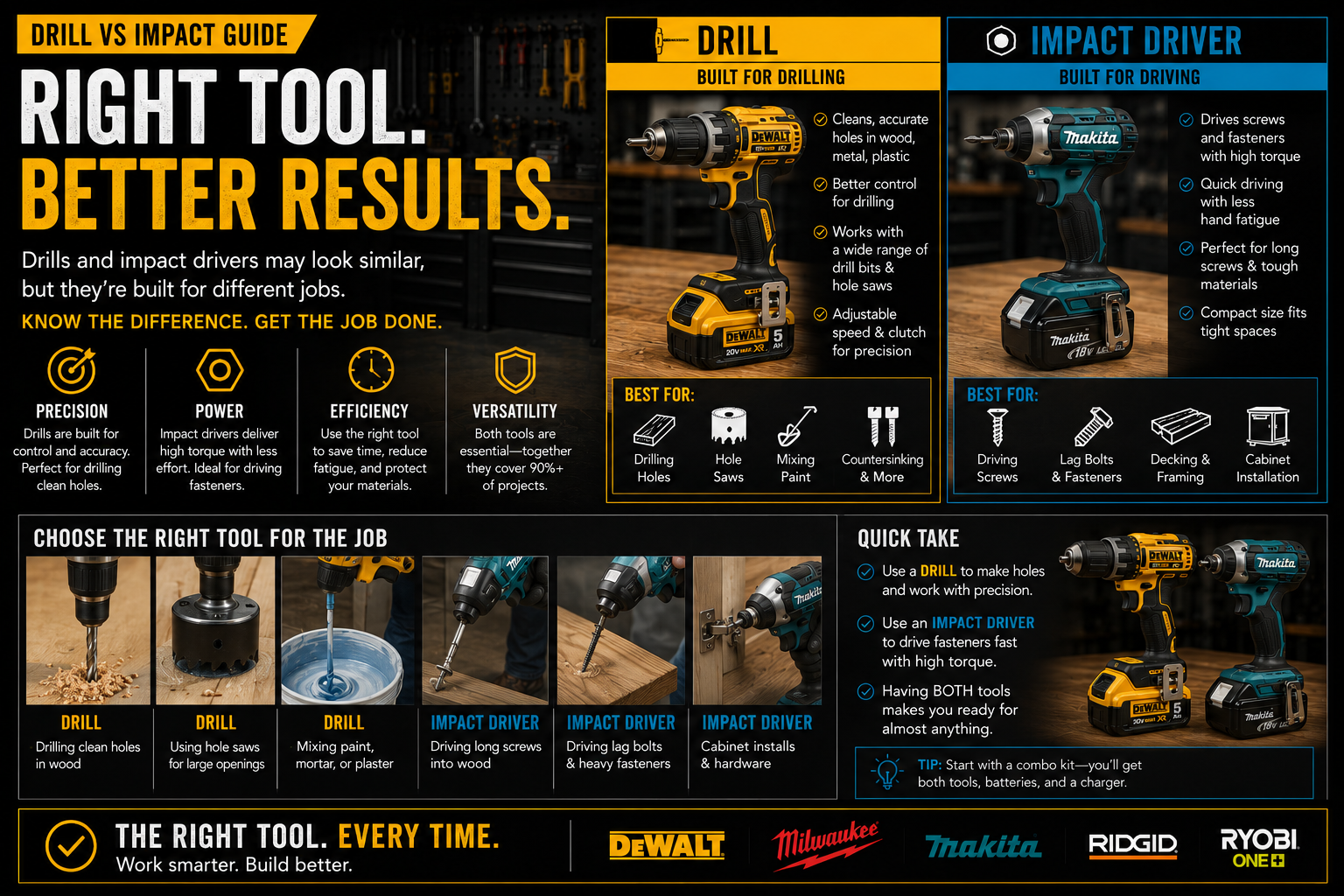
Drills and drivers
The best right-angle drill for garage work is compact, controllable, and bought for real tight-access jobs: cabinets, framing corners, joist bays, vehicle interiors, shelves, and awkward wall-storage installs.
Written by
Who this guide helps
Garage users who already own core tools and need tight-access drilling or driving.
How to use this guide
Use the quick answer, comparison, and related guides to choose a setup that suits your garage and budget.
Quick answer
Disclosure: some product mentions and Amazon search cards below are affiliate links. If you use one, Garage Bench Co. may earn a commission at no extra cost to you.
The best right-angle drill for garage work is compact, controllable, and bought for real tight-access jobs: cabinets, framing corners, joist bays, vehicle interiors, shelves, and awkward wall-storage installs.
A right-angle drill is a problem solver, not a first drill.
Buy a right-angle drill when a normal drill cannot physically reach the work. It is useful for cabinets, between studs, shelves, tight framing pockets, interior panels, and awkward garage storage installations.
A right-angle drill is not a replacement for your main drill. It usually belongs after a drill/impact kit, bits, lighting, and storage basics. Otherwise it becomes a fancy corner-dwelling gremlin.
Head size, trigger control, chuck style, weight, and platform compatibility matter more than huge torque. In tight spaces, control and access are the whole point.
An adapter is cheaper and works for occasional light use. A dedicated right-angle drill is better when tight-space work happens often or needs more control.
Compare equipment types in our topic overview. Then use the advice here for your specific decision.
Only if you regularly work in tight spaces where a standard drill will not fit.
No. It is a specialty tool.
For occasional light work, yes.
Head size, control, and platform compatibility.